


 locked in craters where sunlight never reaches, shielded from the moon’s vacuum by layers of rock and shadow.
Imagine a midnight walk across this black lunar terrain: your boots crunch over fine, charcoal-colored dust, while above, the Earth hangs like a pale blue marble. In the perpetually shaded craters, ice lies undisturbed, a silent reservoir. Scientists call these spots “cold traps”—places where temperatures plummet to -240°C, so cold that water molecules never sublimate, remaining frozen for billions of years.
This waterproof (or rather, ice-preserving) black lunar world is more than a curiosity. On 2.0 All Black a key to future exploration: that ice could be melted for drinking water, split into oxygen for breathing, or converted into rocket fuel. The black lunar surface, once a symbol of emptiness, now glows with the promise of sustenance—proof that even the darkest corners of the solar system hold hidden life-giving treasures.
locked in craters where sunlight never reaches, shielded from the moon’s vacuum by layers of rock and shadow.
Imagine a midnight walk across this black lunar terrain: your boots crunch over fine, charcoal-colored dust, while above, the Earth hangs like a pale blue marble. In the perpetually shaded craters, ice lies undisturbed, a silent reservoir. Scientists call these spots “cold traps”—places where temperatures plummet to -240°C, so cold that water molecules never sublimate, remaining frozen for billions of years.
This waterproof (or rather, ice-preserving) black lunar world is more than a curiosity. On 2.0 All Black a key to future exploration: that ice could be melted for drinking water, split into oxygen for breathing, or converted into rocket fuel. The black lunar surface, once a symbol of emptiness, now glows with the promise of sustenance—proof that even the darkest corners of the solar system hold hidden life-giving treasures.On Waterproof Black Lunar
2026-09-11 02:25:11
On Waterproof Black Lunar
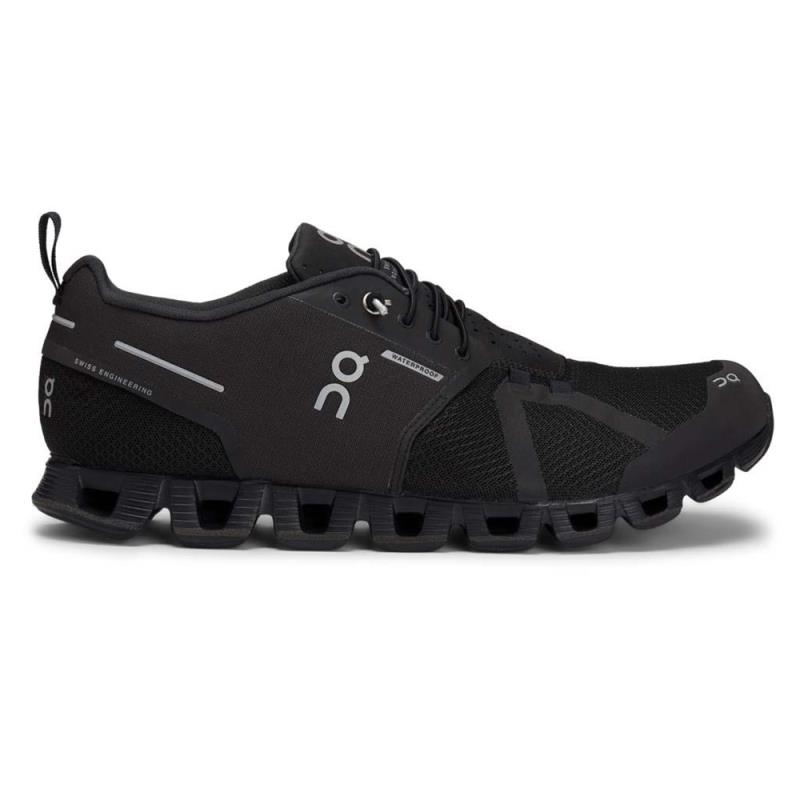
The black lunar surface, often depicted as a desolate, dust-choked expanse, hides a quiet secret: pockets of frozen water, sealed beneath its dark regolith. Waterproof? Not in the Earthly sense—here, water exists as On Waterproof Black Lunar locked in craters where sunlight never reaches, shielded from the moon’s vacuum by layers of rock and shadow.
Imagine a midnight walk across this black lunar terrain: your boots crunch over fine, charcoal-colored dust, while above, the Earth hangs like a pale blue marble. In the perpetually shaded craters, ice lies undisturbed, a silent reservoir. Scientists call these spots “cold traps”—places where temperatures plummet to -240°C, so cold that water molecules never sublimate, remaining frozen for billions of years.
This waterproof (or rather, ice-preserving) black lunar world is more than a curiosity. On 2.0 All Black a key to future exploration: that ice could be melted for drinking water, split into oxygen for breathing, or converted into rocket fuel. The black lunar surface, once a symbol of emptiness, now glows with the promise of sustenance—proof that even the darkest corners of the solar system hold hidden life-giving treasures.
locked in craters where sunlight never reaches, shielded from the moon’s vacuum by layers of rock and shadow.
Imagine a midnight walk across this black lunar terrain: your boots crunch over fine, charcoal-colored dust, while above, the Earth hangs like a pale blue marble. In the perpetually shaded craters, ice lies undisturbed, a silent reservoir. Scientists call these spots “cold traps”—places where temperatures plummet to -240°C, so cold that water molecules never sublimate, remaining frozen for billions of years.
This waterproof (or rather, ice-preserving) black lunar world is more than a curiosity. On 2.0 All Black a key to future exploration: that ice could be melted for drinking water, split into oxygen for breathing, or converted into rocket fuel. The black lunar surface, once a symbol of emptiness, now glows with the promise of sustenance—proof that even the darkest corners of the solar system hold hidden life-giving treasures.
Comment